

-
 12-15 Days Quick Delivery
 -
 Cash on Delivery Facility
 -
 Online Payment Options
-
 No Cost 12 Months EMI
-
 Sales & Parts Warranty
-
 100% Genuine Products
-
 24/7 Customer Support

.jpg)
Elevator Travelling Cable with Rope – Types, Uses, Price & Buying Guide
Elevators stop suddenly. Buttons fail. Displays flicker.
In many cases, the problem is not the controller. It is the traveling cable.
Choosing the wrong elevator travelling cable with rope leads to signal loss, faster wear, and costly downtime. This guide explains what it is, how it works, why rope support matters, and how to choose the right one for long-term safety and performance.
What Is an Elevator Travelling Cable with Rope?
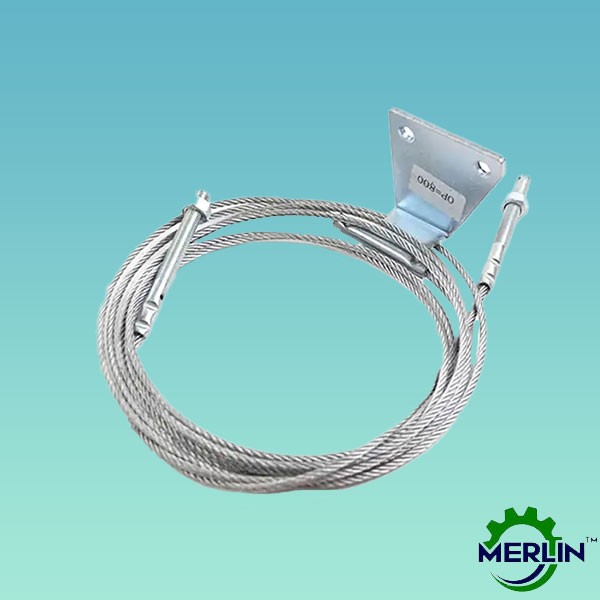
An elevator travelling cable with rope is a flexible cable that moves up and down with the elevator car. It carries power, control signals, and communication lines between the lift car and the control system.
The added support rope takes mechanical load off the cable. This reduces stress, twisting, and early failure.
How It Works Inside an Elevator
-
Moves vertically with the lift car
-
Supplies power to lights, fans, and displays
-
Sends control signals for buttons and sensors
-
Rope supports weight and stabilizes movement
This design is essential for smooth, safe operation—especially in mid-rise and high-rise buildings.
Why Rope-Supported Travelling Cables Matter
Without rope support, travelling cables bend, twist, and stretch under load. That shortens their life.
Key Benefits of Travelling Cable with Rope
-
Better load distribution
-
Less vibration during travel
-
Longer service life
-
Stable signal transmission
-
Lower maintenance cost
In simple terms, the rope protects the cable. And protected cables last longer.
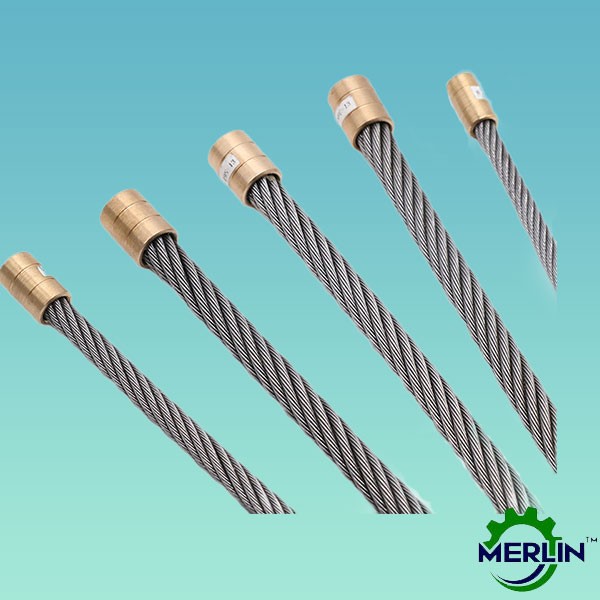
Main Components of Elevator Travelling Cable with Rope
1. Electrical Cores
-
Power cores for lighting and fans
-
Control cores for buttons and sensors
-
Signal cores for communication systems
2. Suspension Rope
-
Steel or high-strength fiber
-
Carries mechanical load
-
Keeps cable aligned during movement
3. Outer Sheath
-
PVC or fire-resistant material
-
Protects against friction, heat, and moisture
Each part plays a role. Weak materials cause early failure.
Types of Elevator Travelling Cable with Rope
1. By Structure
-
Flat travelling cable with rope
Common in standard passenger lifts -
Round travelling cable with rope
Used where space or routing is tight
2. By Material
-
PVC-insulated travelling cable
-
Fire-resistant and halogen-free cable
3. By Elevator Type
-
Passenger elevator
-
Goods lift
-
Hospital elevator
-
High-rise elevator
The right type depends on load, travel height, and safety requirements.
How to Choose the Right Travelling Cable with Rope
I. Match the Cable to the Elevator
-
Passenger lifts need flexibility
-
Goods lifts need strength
-
High-rise lifts need rope support
II. Check Safety and Quality
-
Fire resistance
-
Proper insulation
-
Load capacity certification
III. Avoid Common Mistakes
-
Choosing cable without rope support
-
Ignoring future maintenance needs
-
Buying based on price only
A good cable costs less over time.
Installation Best Practices
Correct Installation Matters
-
Fix cable and rope securely
-
Avoid sharp bends
-
Maintain proper slack
Common Installation Errors
-
Over-tightening the rope
-
Poor routing near moving parts
Even the best cable fails if installed poorly.
Maintenance and Common Problems
1. Routine Maintenance Tips
-
Visual inspection
-
Check rope tension
-
Look for sheath wear
2. Common Problems and Fixes
-
Signal loss → Inspect internal cores
-
Cable wear → Check alignment
-
Rope damage → Replace immediately
Preventive checks reduce breakdowns.
Where Elevator Travelling Cables with Rope Are Used
-
Residential buildings
-
Commercial towers
-
Hospitals
-
Industrial lifts
Anywhere reliability matters, rope-supported travelling cables perform better.
FAQs About Elevator Travelling Cable with Rope
1. What is an elevator travelling cable with rope?
It is a flexible cable with a support rope that supplies power and signals to a moving elevator car.
2. Why is rope used with travelling cables?
The rope carries mechanical load and reduces stress on the cable, increasing lifespan.
3. How long does an elevator travelling cable last?
With proper installation and maintenance, it can last 8–12 years or more.
4. What is the price of elevator travelling cable with rope in Bangladesh?
Prices vary based on cores, length, and quality. Premium and imported cables cost more.
5. Can travelling cables be customized?
Yes. Core count, length, insulation, and rope type can be customized.
6. Is fire-resistant travelling cable required?
Fire-resistant cables are strongly recommended and often required for safety compliance.
An elevator is only as reliable as its traveling cable. Choosing the right elevator travelling cable with rope improves safety, reduces maintenance, and prevents costly downtime. Focus on quality materials, proper rope support, and correct installation—not just the lowest price.
If you need a durable, certified, and properly specified travelling cable, work with an experienced supplier who understands real-world elevator demands.