

-
 12-15 Days Quick Delivery
 -
 Cash on Delivery Facility
 -
 Online Payment Options
-
 No Cost 12 Months EMI
-
 Sales & Parts Warranty
-
 100% Genuine Products
-
 24/7 Customer Support

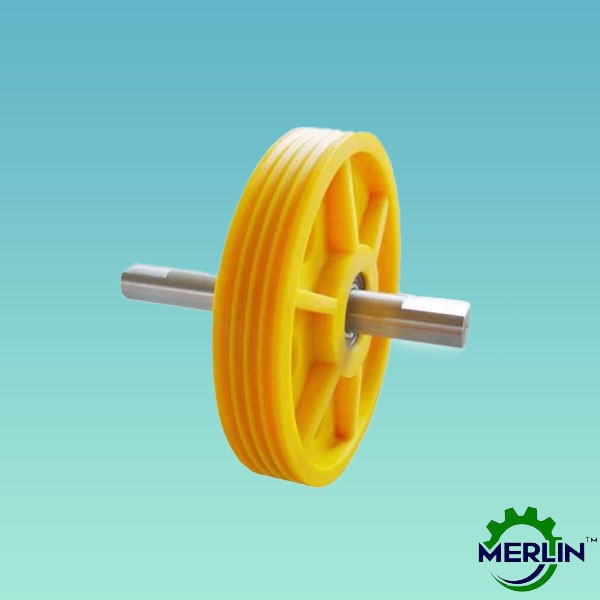
Elevator Counter Frame With Pulley Imported: Reliable Balance for Safe Elevators
An elevator should move smoothly. It should feel stable. If it shakes, makes noise, or stops unevenly, the problem often hides inside the shaft. One common cause is a low-quality counter frame.
An imported elevator counter frame with a pulley solves this issue. It delivers better balance, longer life, and safer operation. This guide explains how it works, why quality matters, and how to choose the right one for your building.
What Is an Elevator Counter Frame With Pulley?
An elevator counter frame holds the counterweight that balances the lift car. The pulley guides the steel wire rope that moves the car up and down.
Together, they:
-
Balance the elevator load
-
Reduce motor stress
-
Ensure smooth and quiet travel
A strong counterframe with a precision pulley keeps the entire elevator system stable.
How an Imported Counter Frame With Pulley Works
The working process is simple and effective.
-
The counterframe carries the counterweight
-
The pulley guides the wire rope
-
The rope moves as the car travels
-
The load stays balanced at all times
This balance reduces power use and wear on parts.
Why Imported Counter Frames Perform Better
Imported counter frames meet stricter manufacturing standards. They use better materials and advanced machining.
Key Advantages
-
Accurate pulley alignment
-
High load-bearing capacity
-
Lower vibration and noise
-
Longer service life
For commercial and high-rise elevators, imported units are a safer choice.
Key Components of an Imported Counter Frame With Pulley
A quality system includes:
-
Heavy-duty steel counter frame
-
Precision-machined pulley wheel
-
Sealed ball bearings
-
Rope groove matched to wire size
-
Strong mounting brackets
Each part works together to ensure safety and durability.
Types of Elevator Counter Frame With Pulley
1. Based on Elevator System
-
Geared elevators
-
Gearless elevators
2. Based on Use
-
Residential elevators
-
Commercial elevators
-
High-rise passenger lifts
-
Freight elevators
Imported frames are commonly used in medium- to high-capacity systems.
Where Imported Counter Frames Are Used
These systems suit demanding environments.
-
Commercial buildings
-
Shopping malls
-
Hospitals
-
Office towers
-
High-rise apartments
They handle frequent use with consistent performance.
Installation and Maintenance Guidelines
1. Installation Best Practices
-
Ensure perfect vertical alignment
-
Secure all mounting points
-
Test load balance before operation
2. Maintenance Tips
-
Inspect pulley bearings regularly
-
Check rope grooves for wear
-
Listen for unusual noise
Routine checks extend system life.
Common Problems and How to Avoid Them
1. Noisy Operation
Cause: Worn bearings or poor alignment
Solution: Use sealed bearings and proper installation
2. Rope Wear
Cause: Incorrect pulley groove
Solution: Match pulley to rope size
3. Uneven Movement
Cause: Weak or bent frame
Solution: Use certified imported frames
Some FAQs About the Elevator Counter Frame With Pulley Imported
1. What is the function of a counterframe in an elevator?
It holds the counterweight and balances the elevator car for smooth movement.
2. Is an imported counter frame better than a local one?
Yes. Imported frames usually offer better material quality, precision, and durability.
3. How long does an imported counter frame last?
With proper maintenance, it can last 15 to 20 years.
4. Can the pulley be replaced separately?
Yes, if the frame remains structurally sound.
5. Which material is best for counter frames?
High-tensile or reinforced steel is best for strength and safety.
Why Quality Matters More Than Price
A cheap counter frame increases risk. Breakdowns cost more than quality parts.
A premium imported counter frame:
-
Reduces downtime
-
Improves passenger safety
-
Lowers long-term costs
Smart buyers focus on value, not just price.