-
 12-15 Days Quick Delivery
 -
 Cash on Delivery Facility
 -
 Online Payment Options
-
 No Cost 12 Months EMI
-
 Sales & Parts Warranty
-
 100% Genuine Products
-
 24/7 Customer Support

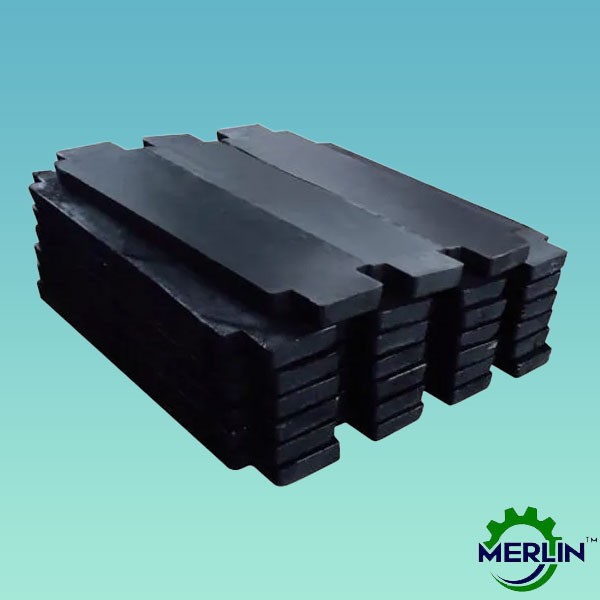
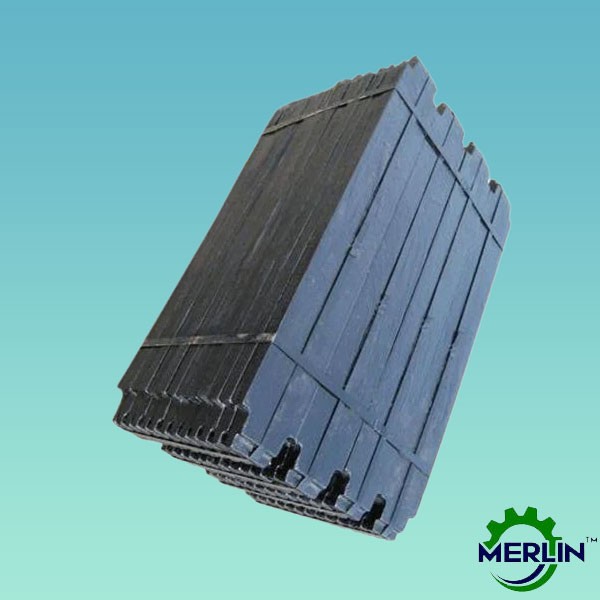
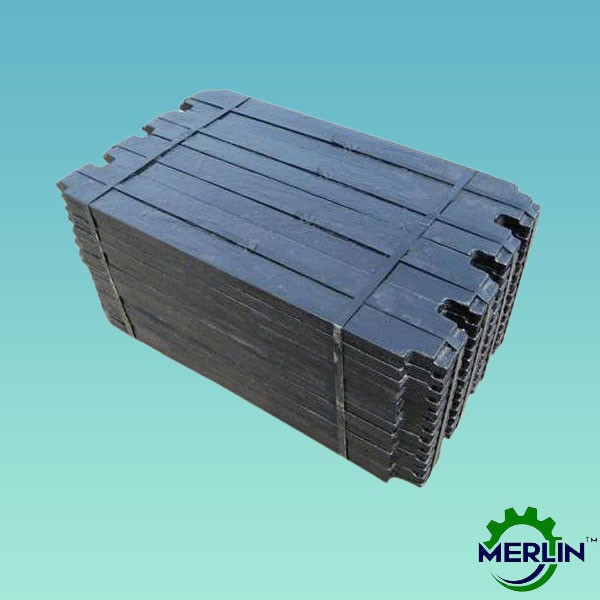
Elevator Counterweight
For Quotation Please Contact:
Mobile/WhatsApp: +880 1816 553327 "or" +880 1730848516
E-Mail: "info@merlintechbd.com "or" sales.merlin18@gmail.com"
Counterweights are exclusively utilized in traction elevator
setups. They serve to balance the elevator system, easing the movement of the
cab during ascent and descent, thereby reducing the workload on the lifting
apparatus.
The weight of the elevator cab, including its structural
load, combined with a portion of the passenger load (typically 40 to 50% of its
rated capacity), dictates the necessary weight of the counterweights. These
counterweights move in the opposite direction of the elevator cab, residing
within the elevator shaft, either positioned beside or behind the cab,
depending on the configuration of door openings.
Counterweights are indispensable components in the operation
of traction elevators, whether they feature a dedicated machine room or are
machine room-less (MRL).
The counterweight within an elevator system is an essential component that
plays a pivotal role in ensuring smooth and safe vertical transportation.
Crafted with precision and durability in mind, the counterweight serves as a
balancing mechanism, effectively offsetting the weight of the elevator car, its
passengers, and cargo.
Strategically positioned within the elevator shaft, the
counterweight is meticulously calibrated to counterbalance the weight of the
car. This balancing act facilitates the efficient operation of the elevator,
reducing the overall workload on the motor and ensuring a more energy-efficient
system.
Constructed from heavy materials like concrete or metal,
these counterweights are engineered to withstand substantial loads while
maintaining their stability. Their design enables precise adjustment to achieve
optimal balance, contributing to the smooth and controlled movement of the
elevator between floors.
In addition to aiding in the efficient operation of the
elevator, counterweights serve as a critical safety feature. By balancing the
weight distribution, they prevent overloading and assist in controlling the
speed of the elevator car, enhancing overall passenger safety.
Installed and calibrated by skilled technicians, these
counterweights undergo stringent testing to ensure compliance with safety
standards and the seamless functioning of the elevator system. Their
significance in maintaining equilibrium and enhancing the performance of
elevators makes them a fundamental element in the vertical transportation
infrastructure, supporting reliable and secure rides for passengers.